Trauma, Nature, and Collective Healing After October 7
In the months after October 7, much of the conversation in Israel focused on resilience — how quickly people could return to routine, work, and functioning.
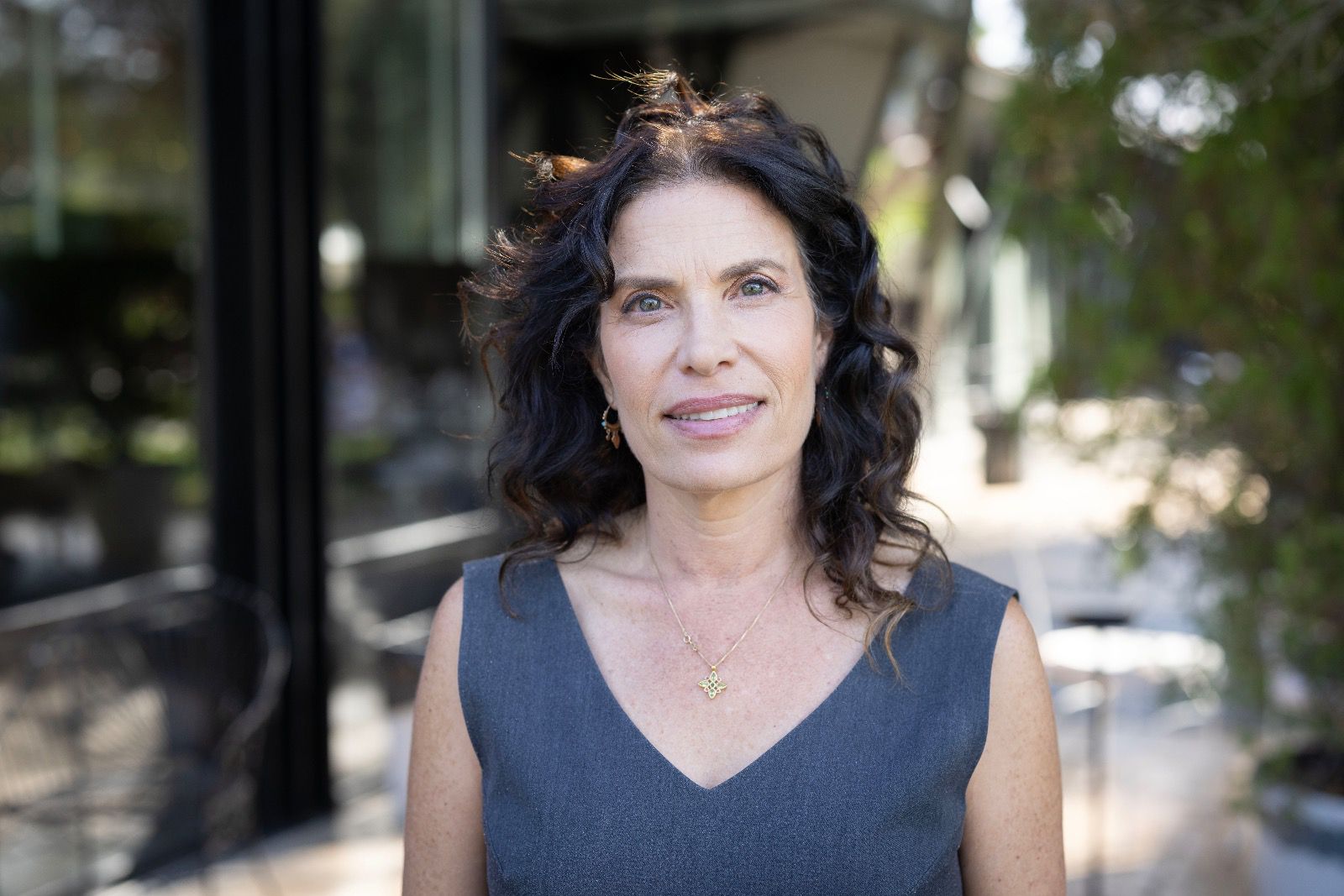
But in my conversation with Dr. Lia Naor, a clinical psychologist and researcher specializing in ecopsychology and trauma, she challenged the assumption underneath that idea: return to what, exactly?
“We are not the same people we were before the 7th,” she said. “So who is it we are trying to get back to?”
Building a Different Kind of Healing Space
In the days after the attacks, Lia helped create what became known as The Healing Space, a volunteer-run trauma center for Nova survivors, evacuees, soldiers, therapists, and families.
What was striking about the project was that it was not designed as a traditional clinic. Alongside therapists and psychiatrists were musicians, bodyworkers, artists, volunteers making food, and spaces outdoors where people could simply sit quietly together.
Many survivors initially could not speak about what they had experienced. Lia understood early on that healing would need to involve more than conversation alone.
Research increasingly supports this broader understanding of trauma. Trauma researcher Bessel van der Kolk and organizations like the American Psychological Association have shown that trauma affects the nervous system, body, sleep, emotions, and sense of safety not only memory or cognition.
Trauma and Isolation
One of the central ideas in Lia’s work is that trauma isolates people.
Not only socially, but emotionally and physically. People disconnect from others, from their bodies, and often from themselves.
“We never evolved to go through trauma alone,” she said during the conversation.
That belief shaped the Healing Space model itself: creating environments rooted in community rather than only individual treatment. The emphasis was not simply on helping people cope, but on rebuilding connection and belonging.
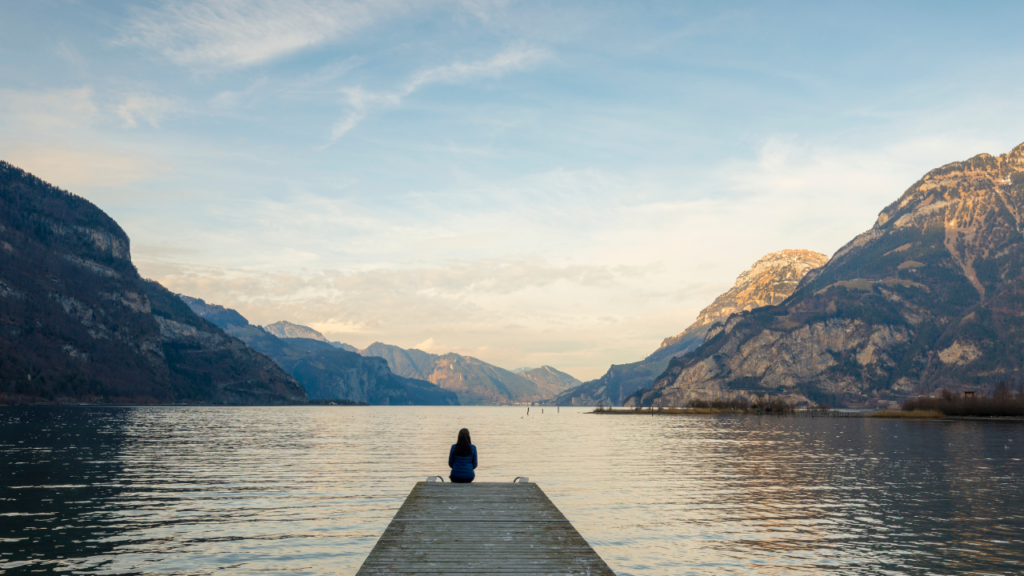
Nature as Part of Recovery
Lia’s work also focuses on the role of nature in trauma recovery, not in a vague spiritual sense, but in a practical and physiological one.
Studies from institutions including Stanford University have linked time in natural environments to lower stress, reduced rumination, and improved mental well-being.
For Lia, nature offers something modern life often does not: space to hold grief, uncertainty, vulnerability, beauty, and contradiction at the same time.
At one point, she spoke about how modern culture constantly pushes discomfort away — grief, illness, fragility, aging. Nature, she argued, does the opposite. It makes room for the full reality of being human.
Redefining Heroism
One of the most powerful parts of the conversation focused on Lia’s work with soldiers experiencing trauma and moral injury.
She described meeting young reservists carrying grief, guilt, fear, and confusion while also feeling pressure to appear emotionally unaffected.
“Our people know how to be heroes,” she said. “But they don’t always know how to be human.”
Psychologists increasingly recognize moral injury as a major consequence of war. The U.S. Department of Veterans Affairs describes it as the distress that comes from witnessing or participating in actions that violate a person’s moral framework.
Rather than encouraging emotional suppression, Lia speaks about grief, vulnerability, and emotional honesty as necessary parts of recovery.
Staying Human
What makes Lia’s work compelling is that it avoids easy slogans or polished wellness language. Her focus is grounded in practical questions: how people reconnect after trauma, how communities support one another, and how emotional numbness can be prevented from becoming permanent.
Not everyone will attend a retreat or spend weeks in nature. But almost everyone can check on a neighbor, sit outside without a phone, share a meal, or create moments of genuine connection. “Trauma isolates,” Lia said. “Healing happens together.”
You can find the full episode with Lia Naor on Apple, Spotify, and YouTube.