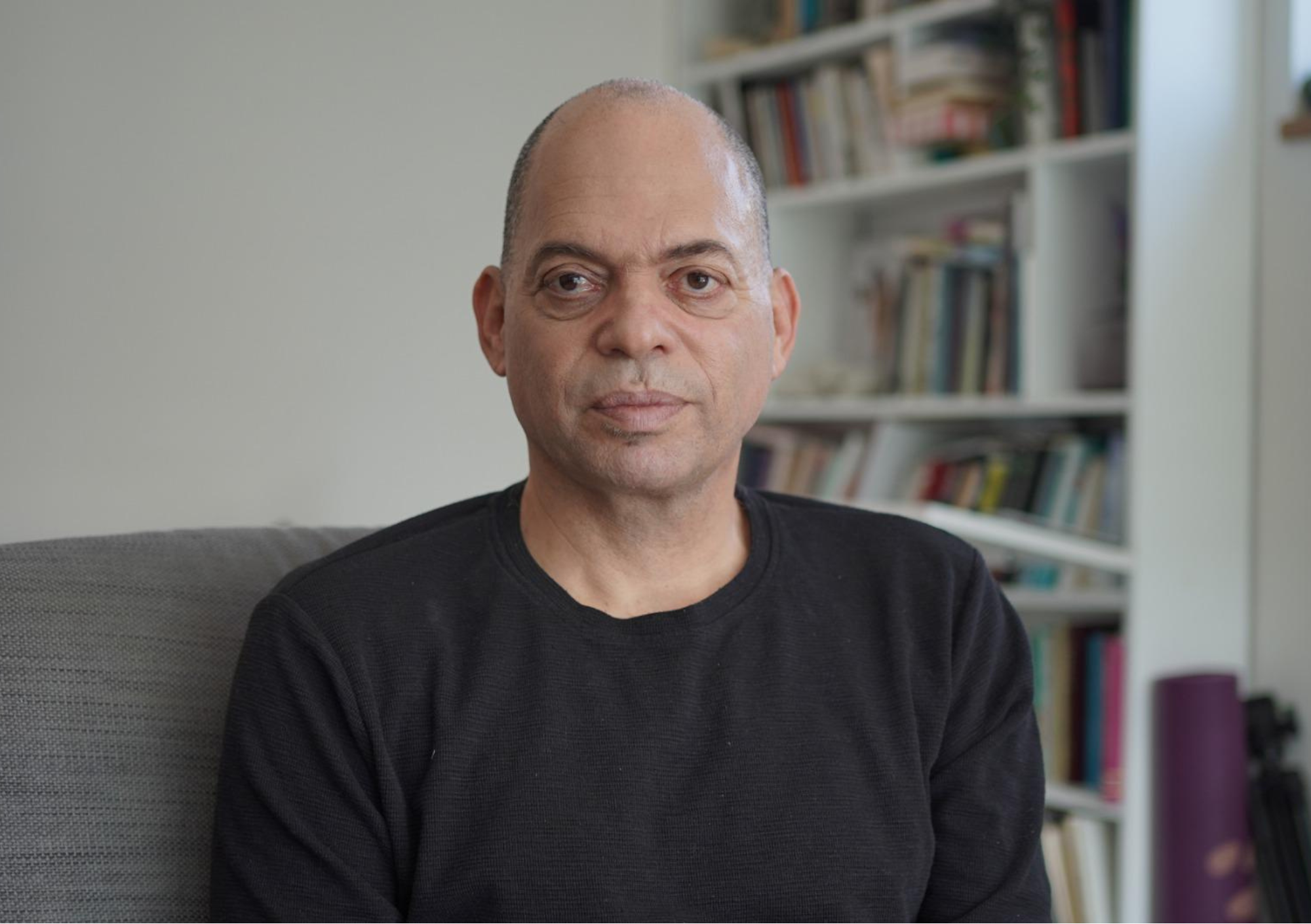
In this episode of RAW, I sit down with Tamir Ashman — clinical social worker, therapist, and founder of Ashman – the School for Relationships — for a conversation about masculinity, emotional life, and the quiet places where suffering often goes unnamed.
Over the past two decades, Tamir has supported tens of thousands of men across Israel. Working in clinics, schools, prisons, the army, and educational settings. Helping them navigate emotional life and vulnerability in a culture that often leaves little room for either.
Again and again, he encounters the same question beneath different stories: What happens when a person has no language for what they feel?
When Language Collapses
One of the most striking moments in our conversation comes when Tamir speaks about language itself. In Hebrew, the word for violence, alimut, shares its root with ilmut — being without a voice, without language.
“Violence often begins where language disappears.”
Violence, he suggests, often begins when language collapses. When people cannot speak their fear, grief, helplessness, or need, the body and behavior take over.
The Silent Crisis Among Men
This is not an abstract idea. Tamir points to painful realities in Israeli society: addiction, incarceration, suicide, and emotional collapse are overwhelmingly male experiences. Not because men suffer more, but because many were never taught how to depend, how to ask for help, or how to locate themselves within relationships, families, and fatherhood. When emotional life has nowhere to go, it often turns into rage, withdrawal, addiction, or silence.
Rethinking Strength
We talk about masculinity not as a fixed identity, but as a set of learned responses to stress, expectation, and vulnerability. About how self-sufficiency is often mistaken for strength, and how helplessness is treated as something to hide rather than something to be shared. Tamir speaks honestly about the cost of this misunderstanding — for men themselves, and for the people who live alongside them.
The Power of Healing Language
At the heart of this conversation is the idea of healing language: the inner language we use to understand ourselves, and the shared language that allows us to connect with others. Healing language does not mean becoming softer or weaker. It means becoming more precise, more honest, more capable of staying with discomfort without acting it out.
When Words Return
This episode is a grounded exploration of responsibility, vulnerability, and courage. It asks what might change if we taught boys and men that needing others is not a failure, but a human capacity. And what becomes possible when words return to places where silence once lived.
You can listen to the full conversation on Apple, Spotify or Youtube.