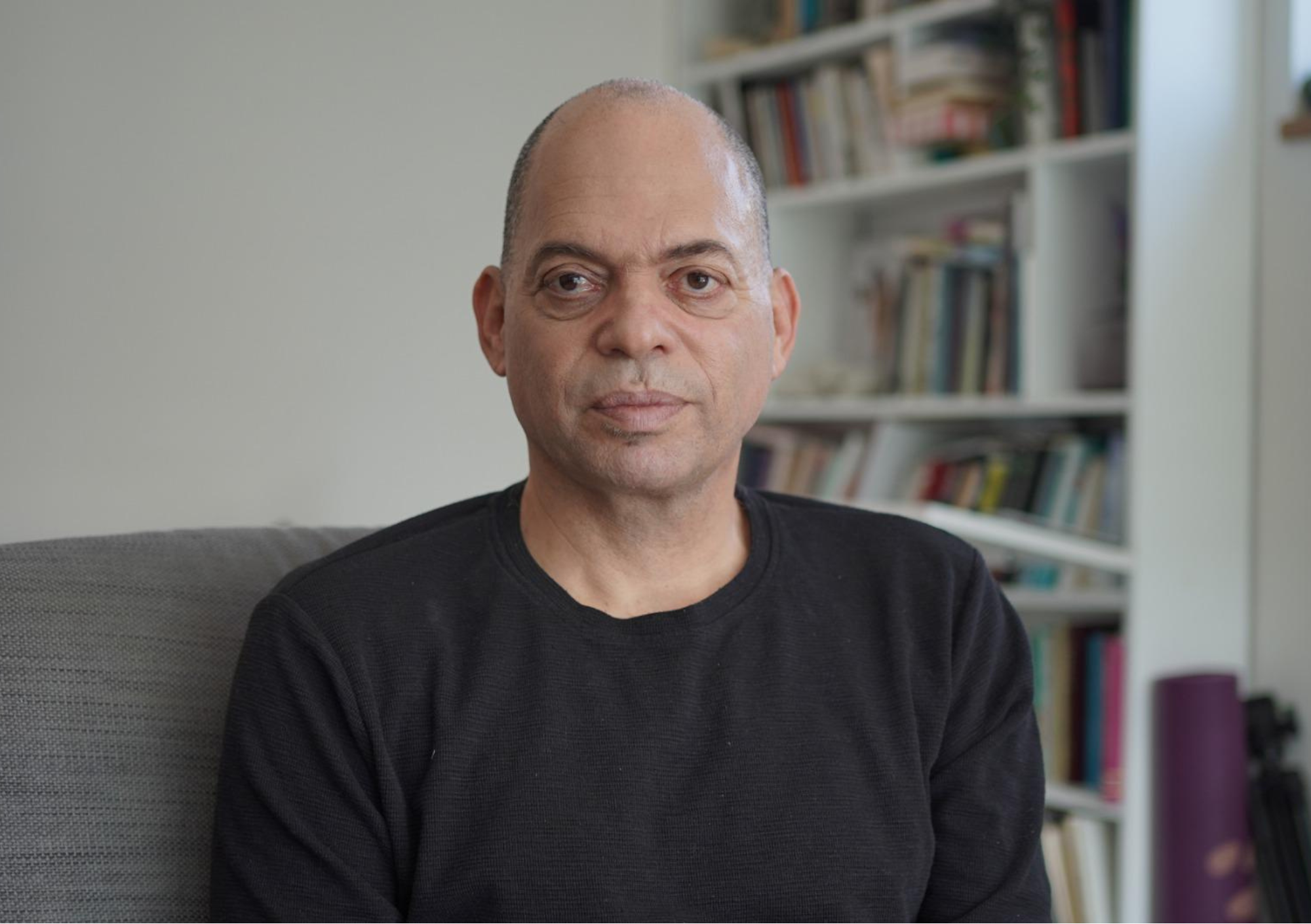
How we remain human when fear takes over — and why this dialogue still matters months later.
This conversation with Dr. Rick Hanson was recorded in June 2025, during the days of the Iran–Israel war when missile barrages from Iran were raining down on Israel. I’m publishing it months later, with a steadier nervous system and a wider sense of perspective — but the emotional truth of that moment, and the wisdom Rick offered, still feel urgent and relevant.
Why This Conversation Meant So Much
Dr. Rick Hanson has been a guiding voice in my life for years. Long before October 7th, long before this war, I would listen to him while walking through Tel Aviv, while driving to work, in the quiet hours when my nervous system refused to settle. His ability to weave neuroscience, trauma theory, and deep compassion has shaped the way I understand myself — and the way I show up for my children and for RAW.
So when June 2025 arrived with war, sirens, shelters, exhaustion, and a familiar tightening of the chest, I longed for a conversation with someone whose work had actually helped regulate my body in the past.
In those months, reaching out to prominent figures in the healing and trauma world was delicate. The global atmosphere was tense, and compassion itself had become politicized. Many responded warmly but I knew that for some the timing wasn’t “right” to speak publicly about Israeli trauma while Gaza’s suffering was still unfolding. I understood — deeply — even if the silence carried a quiet ache.
So when I contacted Rick, I didn’t expect anything. A polite no would have been entirely reasonable.
Instead, after the initial “he’s busy,” I received a direct, gracious email from Rick himself. He wrote with warmth and clarity, acknowledging the courage behind RAW and expressing a genuine desire to have this conversation.
I later learned he wasn’t reaching me from a peaceful Californian hillside. He was in the middle of the first ICE raids in his part of California, with helicopters circling and immigrant communities afraid. He, too, was living inside a charged, fearful atmosphere.
And yet — he showed up.
His willingness to speak human to human, without political calculation, meant more than he knew.
“We’re just talking to each other from a war zone.”
That’s how he opened.
Simple. Accurate. Unflinching.
I felt something inside me soften — finally — at being met without minimization or moral abstraction. My body had been living in a constant cycle of hypervigilance: the siren, the rush to the shelter, the earth-shattering crash of ballistic missiles hitting buildings nearby, the shaking hands afterward. To hear someone name the reality so plainly, with compassion rather than commentary, was unexpectedly grounding.
Rick spoke about how fear lands in the nervous system — not as an idea, but as an embodied cascade:
- the amygdala going into overdrive
- stress hormones heightening everything
- the evolutionary bias toward scanning for danger
- intergenerational trauma shaping our reactivity
And yet, he insisted, even in war:
“There is a deeper layer in us that is not shattered by fear.”
Not untouched — but not destroyed.
The “Core of Calm Strength”
Rick returned again and again to a phrase I’ve been carrying since:
a core of calm strength.
This core doesn’t mean we don’t run to a shelter when a missile is incoming. It doesn’t mean we float above reality. It means that somewhere inside, even while the body is flooded, there is:
- a bit more space
- a bit more perspective
- a bit more choice
Fear doesn’t have to become identity.
He described two kinds of practice:
1. What you do in the crisis
- Feel the ground under your feet
- Breathe as best you can
- Tell your children the truth gently
- Anchor in what is actually happening, not in imagined catastrophe
And also: humour counts. Swearing counts. Anything that breaks the physiological spell of panic counts.
2. What you do between crises
This is where the real transformation is built.
A nervous system rewires not during chaos but during small moments of safety.
Rick named four qualities we can strengthen:
- Calm
- Grit
- Mindfulness
- Compassion
He reminded me:
“We’re not just watching the movie. We can strengthen ourselves from the inside.”
You can listen to the full conversation on Apple, Spotify or Youtube.